They dreamed of
more from their home.
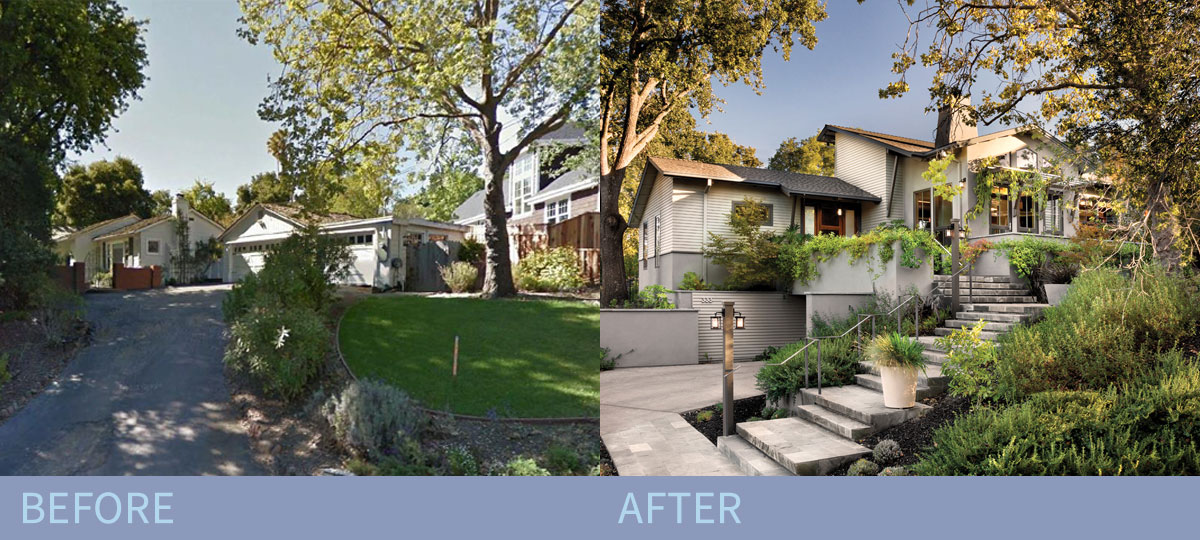
When our clients decided to replace their family’s 1940s home in Danville, Ca, they made an extraordinary commitment.
They wanted to create a beautiful, contemporary home on the same site, designed around the way they wanted to live—but they also wanted to promote responsible care, use, and protection of the natural world through conservation and sustainable practices.
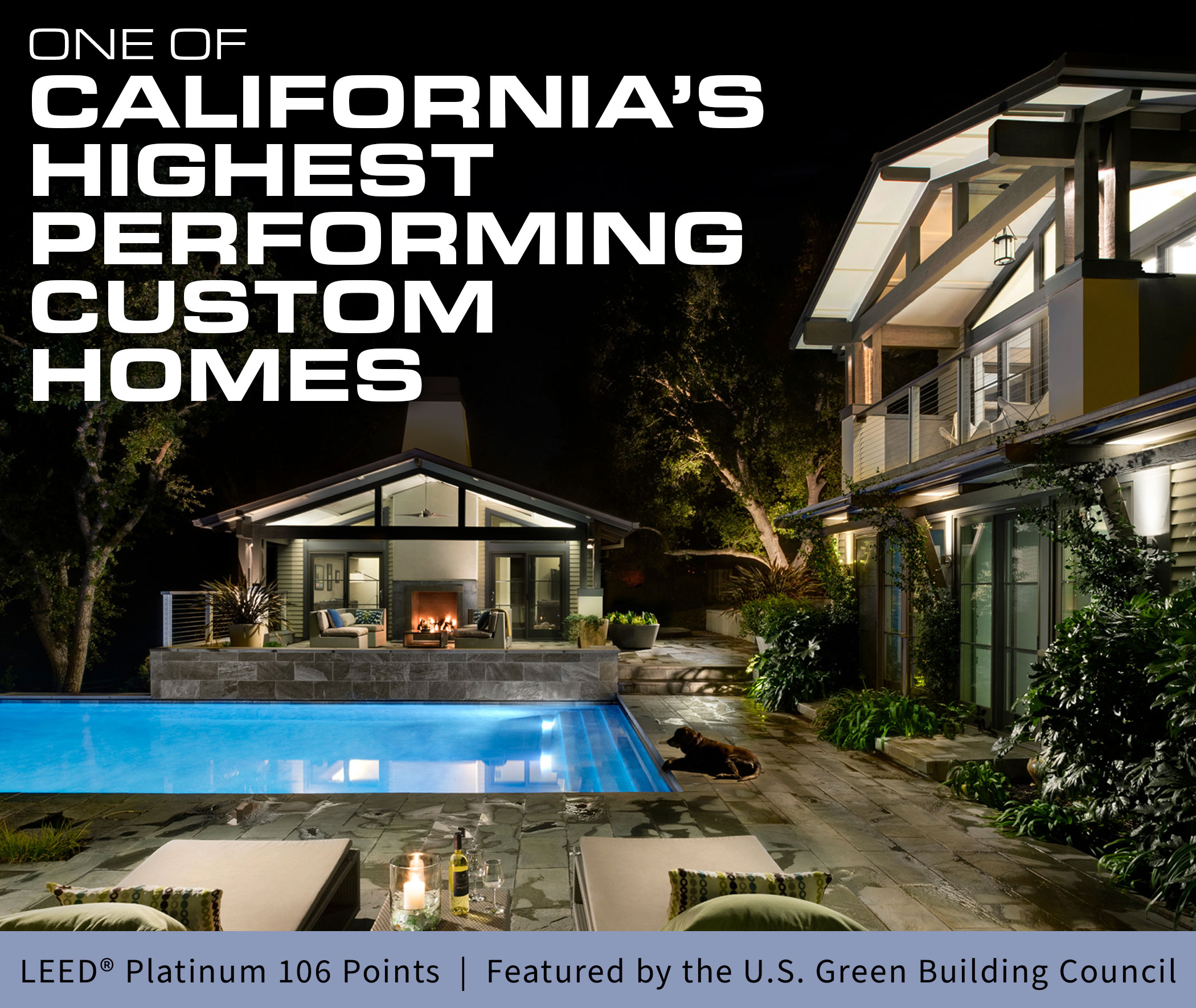
Together, the clients, ORR and an exceptional team of builders, engineers, consultants and craftspeople set an ambitious goal: to create an exceptionally comfortable and environmentally responsible home, earning LEED® Platinum—the highest level of LEED certification.
It was a decision that would influence almost everything that followed.
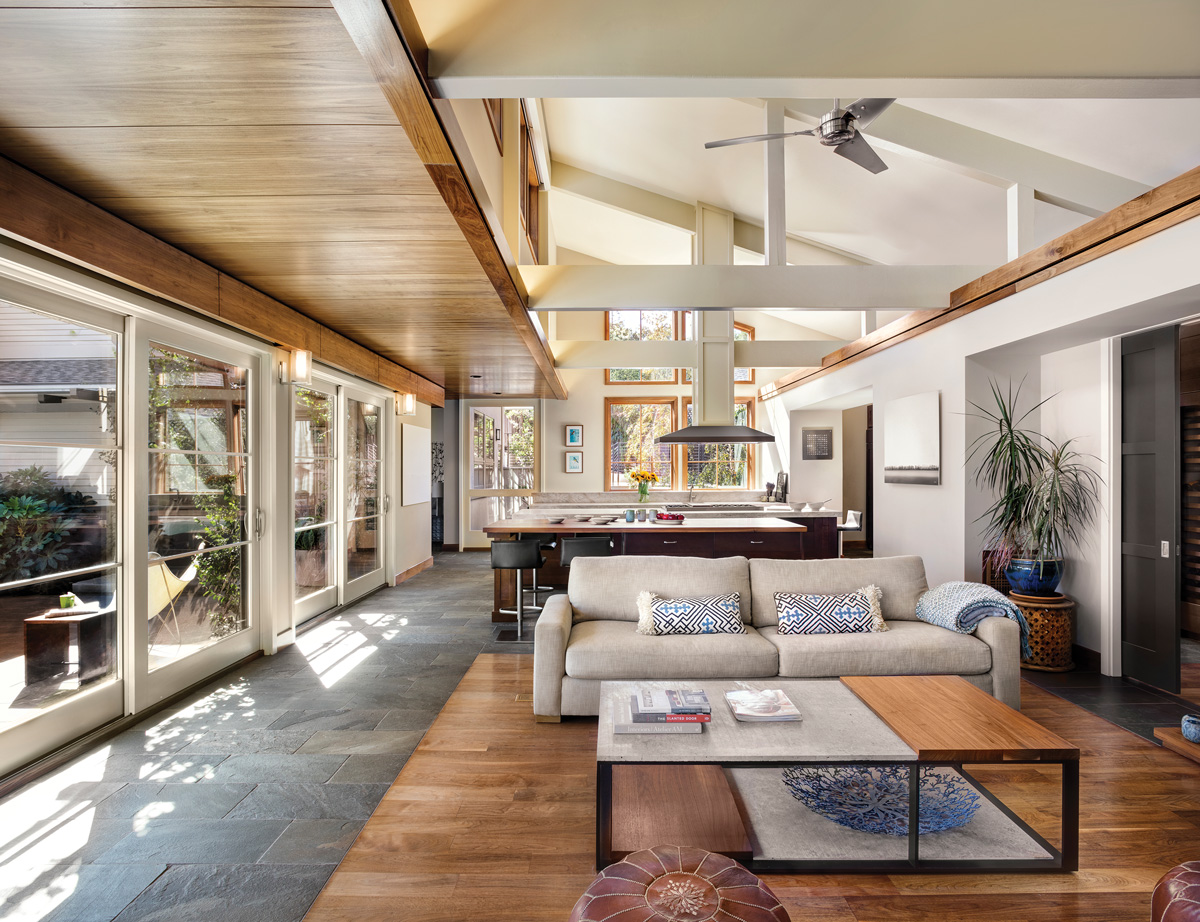
Not simply the equipment installed in the finished house, but how the original home came apart. How the land was protected. Where materials came from. How construction waste was handled. How water and energy would be conserved. How fresh air would enter the home. And ultimately, how comfortable and healthy the completed house would be to live in. Exceptional design and environmental responsibility don’t have to be competing ambitions. They can strengthen one another.
See more of this home on the U.S. Green Building Council website.
What are the Benefits of Pursuing LEED Certification?
LEED certification, besides being a recognized sustainability label, offers multiple advantages for homeowners, the home’s occupants, and the environment.
Increased Property Value
LEED-certified homes enjoy significant appreciation in the real estate market. Certification is indeed a guarantee of quality and sustainability, two values emphasized today. Moreover, with increasingly stringent environmental regulations and expected developments in the coming years, a LEED-certified home ensures compliance with regulatory standards. All of this contributes to making the home attractive.
Substantial Savings on Energy Performance
A LEED-certified home offers numerous benefits in terms of management and occupancy. Thanks to well-thought-out design and the use of advanced technologies, it experiences a considerable reduction in energy and water consumption compared to a standard home. Additionally, materials used in LEED construction are often recycled and locally sourced, thus reducing the project’s carbon footprint. The comfort and health of the occupants are also improved due to better indoor air quality.
A Positive Impact on the Environment and Society
LEED certification goes beyond the technical aspect of construction. It also encompasses a commitment to society and the environment. A sustainable LEED building helps reduce greenhouse gas emissions, preserve natural resources, and improve urban biodiversity. These projects promote the development of environmental awareness by educating and raising awareness about sustainable development issues.
The Eight LEED
Certification Categories
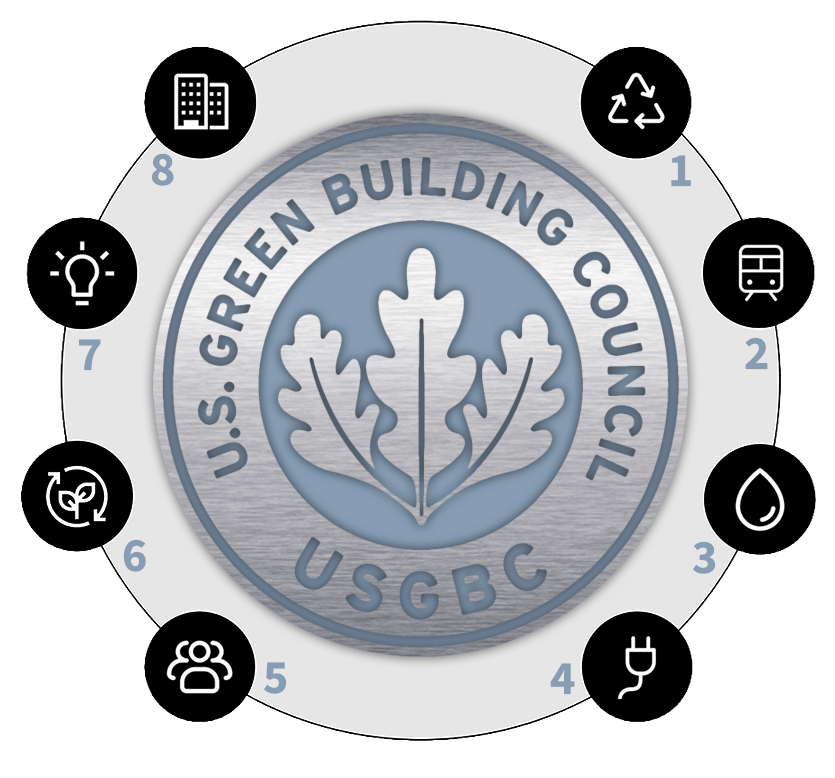
- SITE SELECTION: The new home was rebuilt on the existing site and a mature neighborhood. Existing natural mature trees and the natural topography were preserved.
- LOCATION & TRANSPORTATION: Travel has a significant impact on CO2 emissions and climate change. Walking distance to existing public transportation and encouragement of sustainable mobility modes make living here easier.
- WATER MANAGEMENT: The home’s design minimized water consumption, harvested rainwater, used drought resistant plantings and optimized wastewater recycling.
- ENERGY MANAGEMENT: Energy efficiency is at the heart of LEED certification. The home was planned with passive design strategies based on the local climate, use of renewable energies, and high-tech and natural control systems.
- INDOOR ENVIRONMENTAL QUALITY: Continuous monitoring of indoor air quality and effective ventilation make living in the home safe and clean. Nearly all noxious gases, fumes or chemicals are eliminated.
- MATERIALS: The home uses durable, local, bio-sourced, and low environmental impact materials throughout. For example, FSC-certified wood, local stone, recycled materials and more.
- INNOVATION: The home’s design was rewarded for innovative approaches and creative solutions that go beyond standard certification requirements. For example, radiant heated water for the floor is heated by solar water panels,
- LOCAL & REGIONAL PRIORITIES: Rather than build in a distant suburb, the home’s close to the village core location made connections to the community’s social, health, and civic activities easy to become a habit.