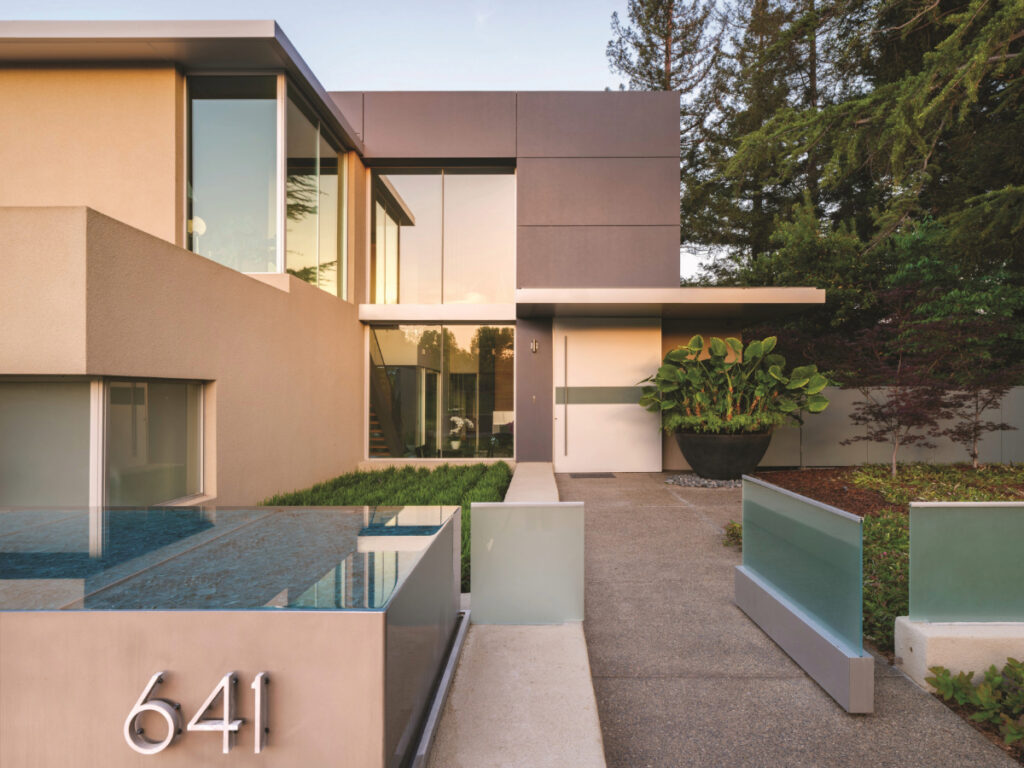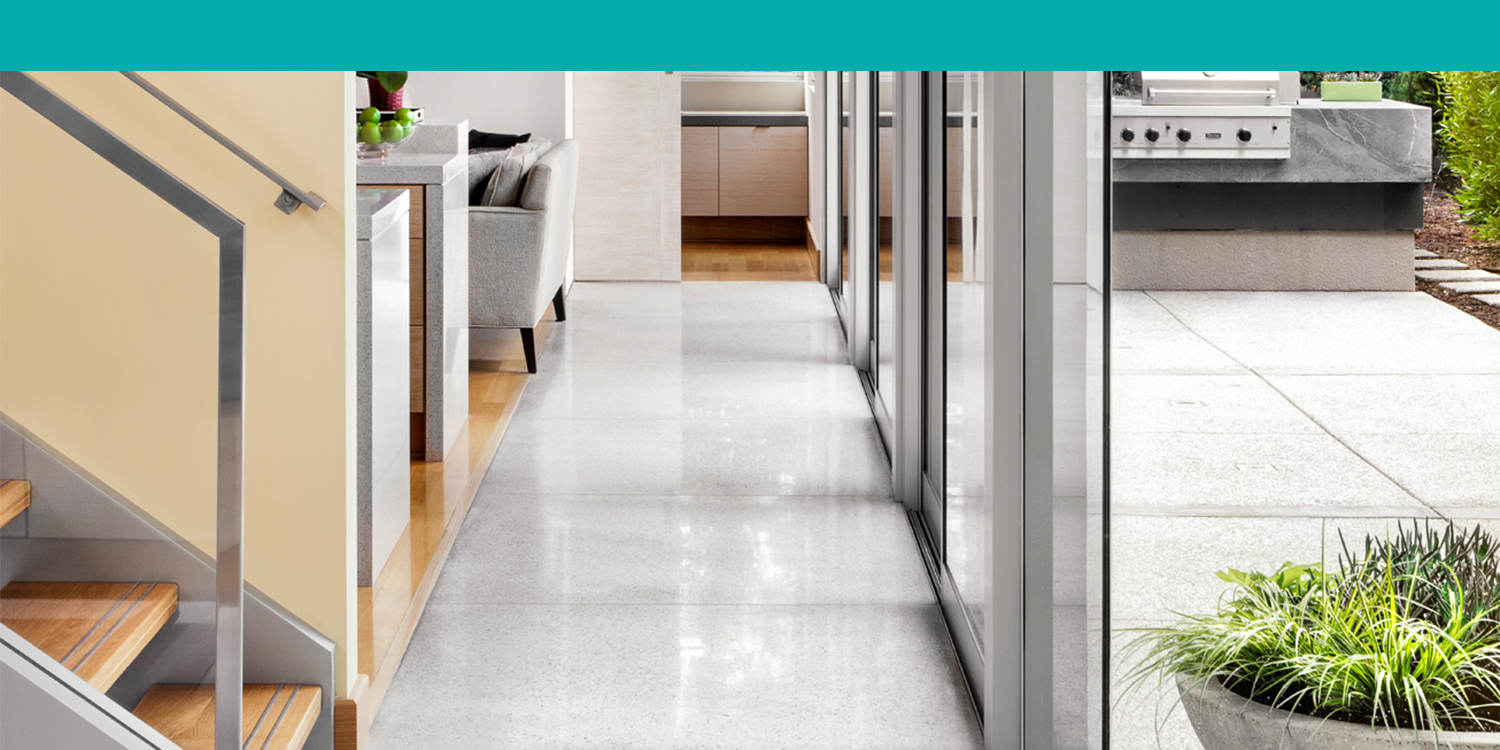
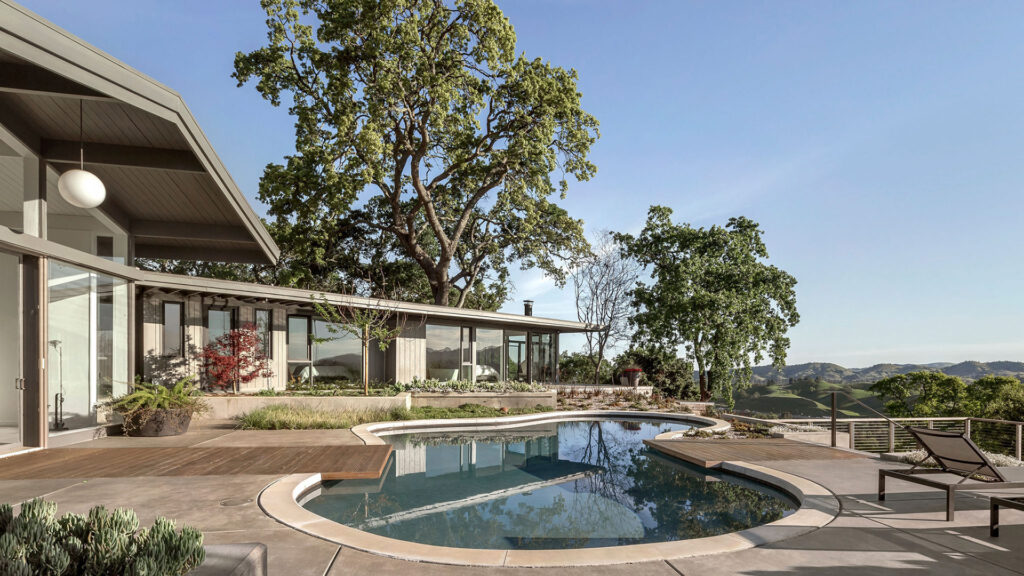
You’ve seen those big houses in Hollywood with large walls of glass. Our clients here in Northern California (including the Sierra’s where there’s snow) often ask us to design similar walls of glass often facing to the west or south where sunset views are preferred. Our climate makes these walls of glass nearly impossible to replicate and all but impossible for many architects that are not familiar with the nuances of energy codes and site design that every day conventional homes with typical windows do not feature. We are experts are designing high-performance glass walls, designing deep overhangs to block intense sun, and integrating advanced shading systems. The challenge is design integration: not just placing glass, but sculpting the building design to maximize visual connection, natural light, and thermal comfort. The result is architecture that frames beauty—and performs beautifully AND meets stringent codes.
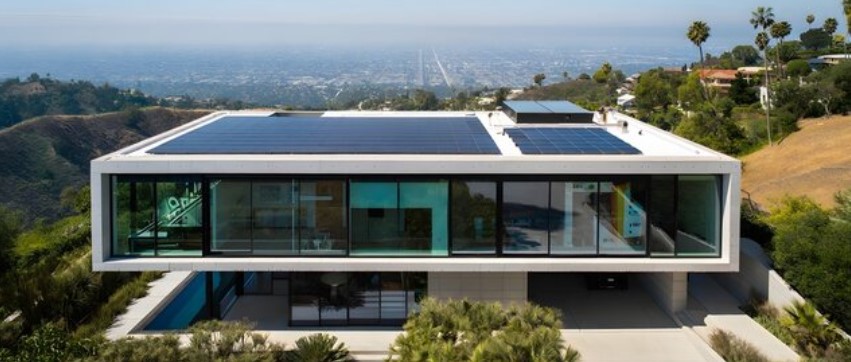
(not designed by us)
SOUTH AND WEST FACING WINDOWS ARE CHALLENGES!
A west-facing room might deliver the perfect sunset, but it can also overheat in the afternoon. South-facing windows offers better solar control—but this direction is only slightly less challenging than West-facing windows. We design every project by analyzing the sun’s movement and shaping the building around it.
SHADING IS BUILT IN
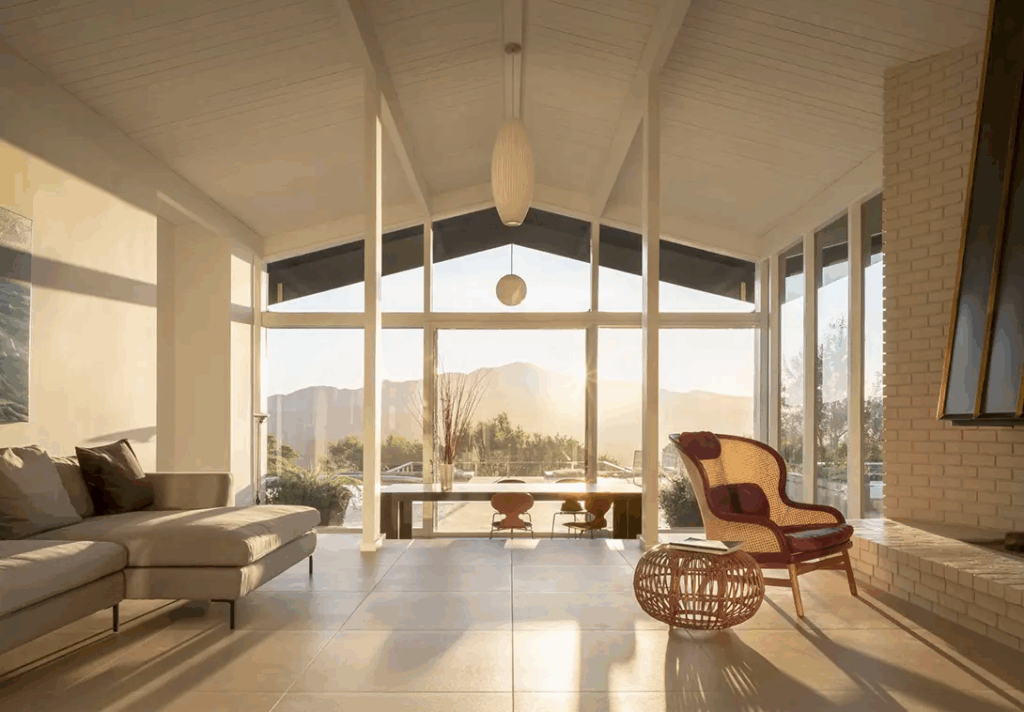
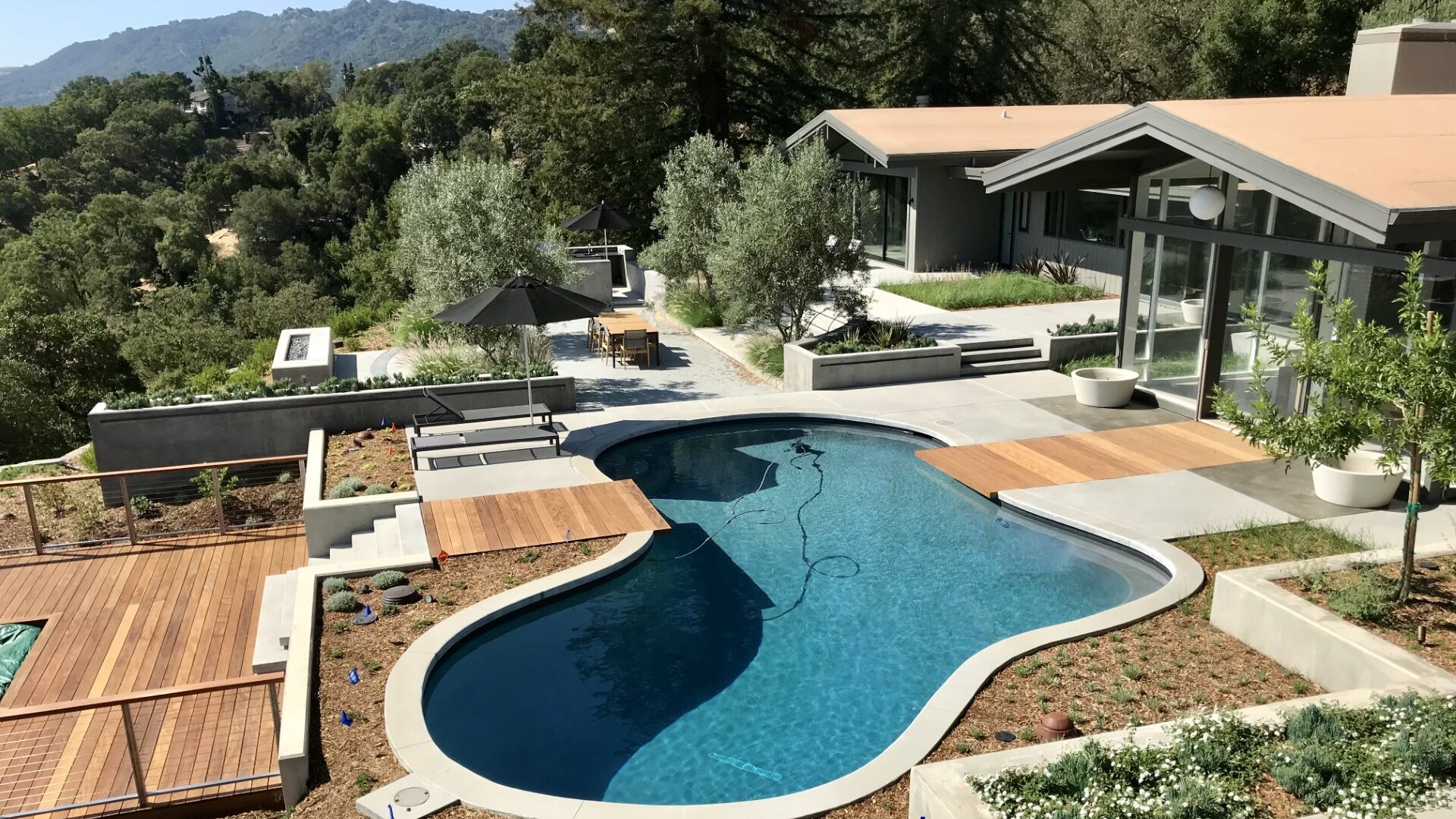
Extended roof overhangs, automatic shades, planting large deciduous shade trees or recessing the windows back from the wall all will help block summer sun but welcome winter light. A high wall that shades, positioning the house so the hill in the horizon casts a long shadow or using other architectural tricks will also work.
THE OUTSIDE WALLS ACT LIKE THE SIDES OF AN ICE CHEST
Think about how long it takes ice to melt in the chest…We design the exterior walls with layers of insulation and energy saving materials that resist the heat from the outside in the summer and hold the heat from the inside seep outside in the winter. When there is more glass facing toward the West and South we are required by code to offset this with even more energy saving strategies like in-floor radiant heating tubing, thicker walls and roofs, higher tech glass windows, ultra-high efficiency water heating systems and solar panels for power and heating of water.

CALIFORNIA’S MUCH HIGER ENERGY STANDARDS DRIVE THE DESIGN
In California, energy performance isn’t just a goal—it’s the law AND part of the state’s Building Standards Code, sets strict requirements for energy efficiency in new construction and major remodels. For us, it shapes how we think about design and the orientation of the home on the site, types of windows and how much more they might cost due to advanced technology, thicker insulation, high-tech lighting, and innovative cooling & heating systems from day one. At its core, the code is about reducing energy use and improving indoor comfort. But the real challenge lies in the design tradeoffs, especially when we’re working with large windows, expansive interior rooms, and open layouts.
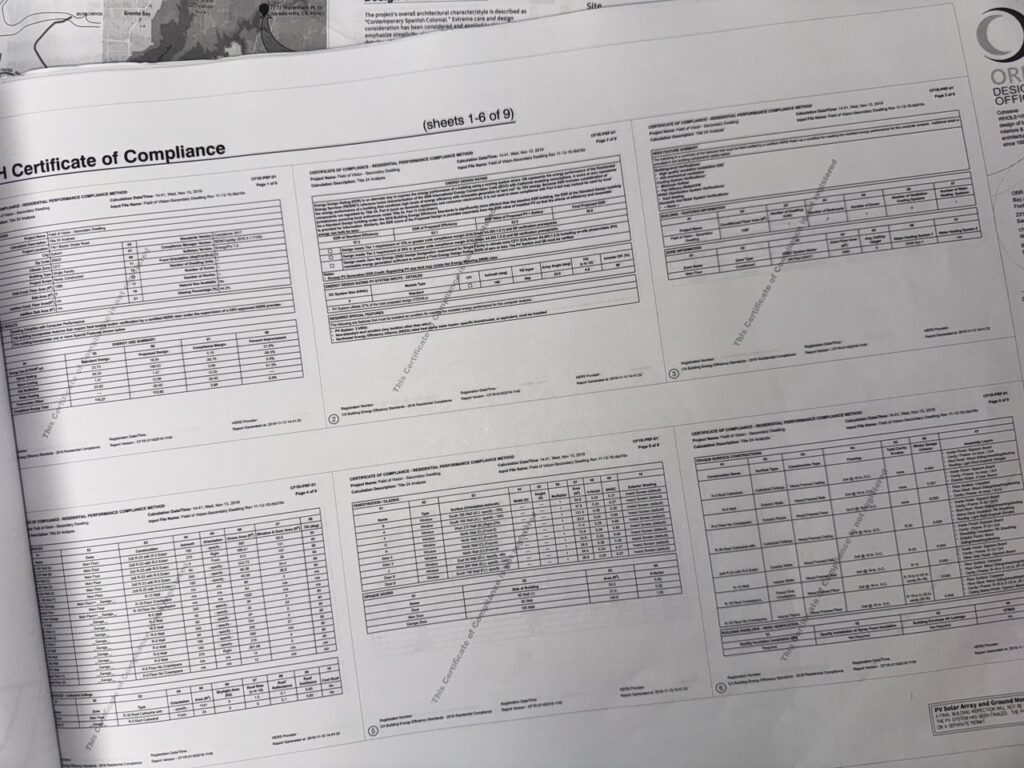
Some of the key implications for residential projects include:
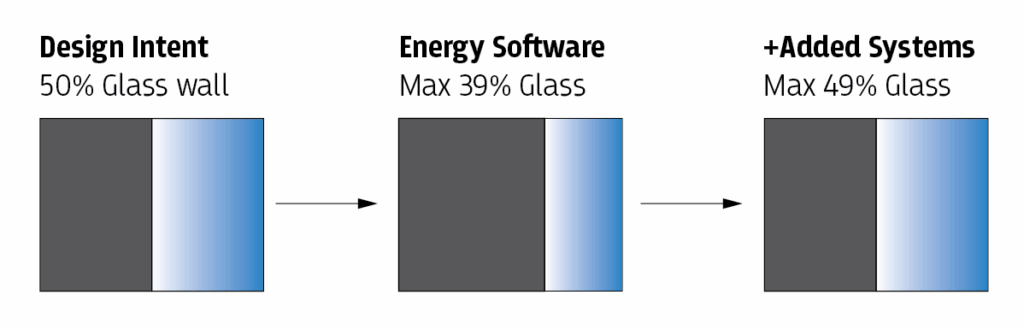
Window glass-to-wall area limits:
There’s a cap on how much glass we can design with, especially on west- and south-facing walls. To go beyond it, we need to justify performance through modeling in complicated computer programs that rate every nuance with a pass-fail score.
Prescriptive vs. performance energy code approaches:
We can meet the code through a set of standard ‘everyday” requirements (prescriptive), or we can prove compliance through an energy model (performance), which allows us more design freedom—but this approach requires more strategy–trial and error to achieve a passing grade.
Window glass technical specifications:
Every window must meet or exceed specific thermal and solar thresholds, depending on the climate zone. It’s complicated two big requirements.
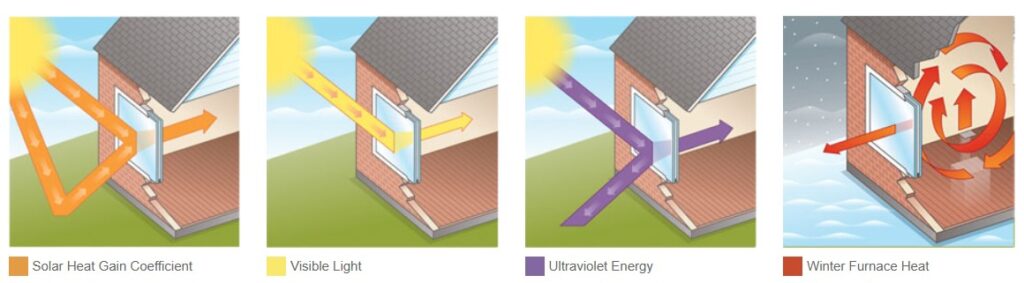
Building wall materials, design and detailing:
Insulation levels, thermal barriers, and air sealing directly impact whether a design passes or fails.
Heating and cooling system design:
Cooling and heating system sizing, duct placement, and whole-house ventilation systems are reviewed in detail. Natural ventilation and passive use of climate is applied.
For us pushing the boundaries—large spans of glass, minimal structure, seamless indoor-outdoor transitions—Energy codes becomes both a constraint and a creative driver. It forces you to think holistically: How can orientation, shading, glazing, insulation, and mechanicals work together to achieve both performance and poetry?